Fahe’s Spring 2026 Retreat: What We Heard. Why it Matters.
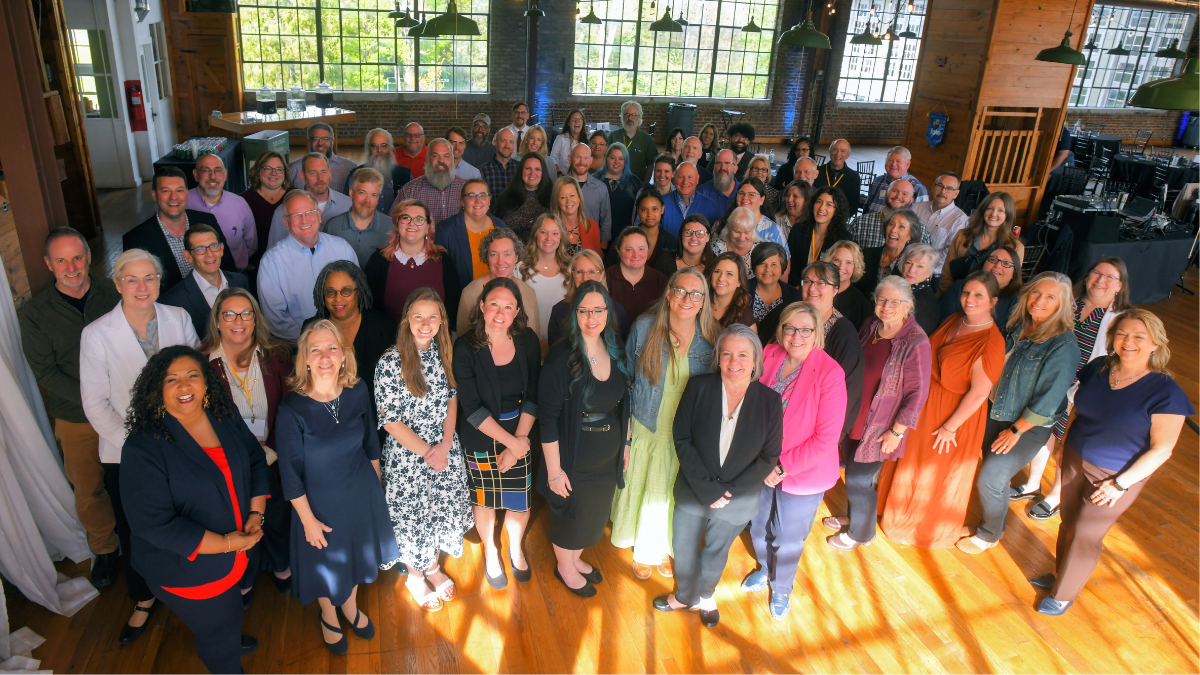
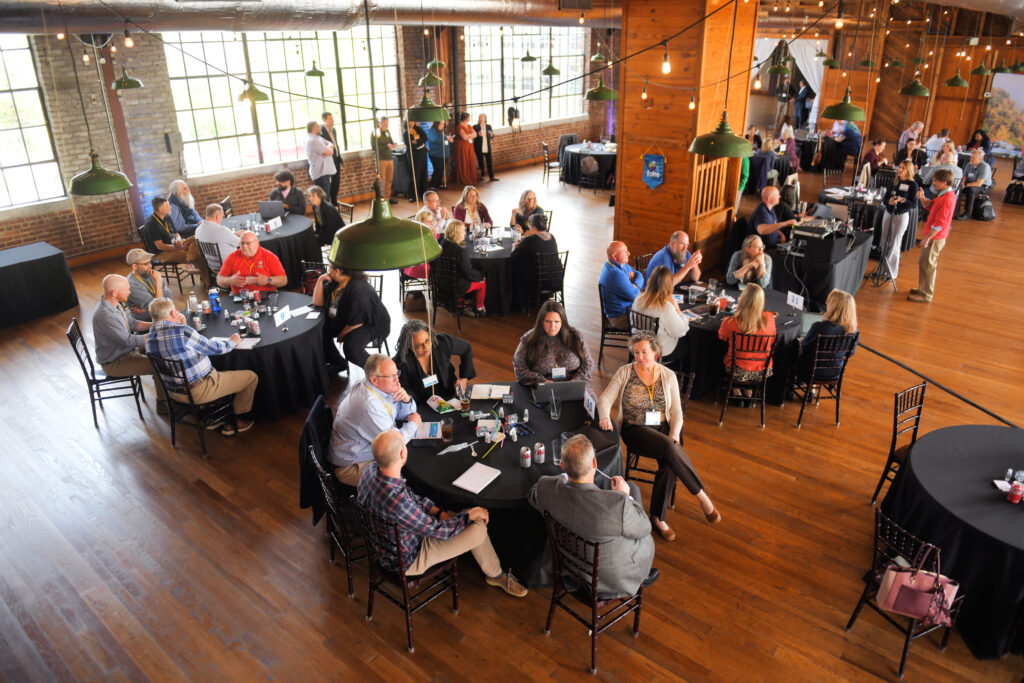
Last week, 51 leaders from 40 Fahe Member organizations gathered in Berea, Kentucky, for our annual Spring Retreat — Learning in Motion. 53 Member organizations attended the Member meeting portion of the event, which included a virtual option.
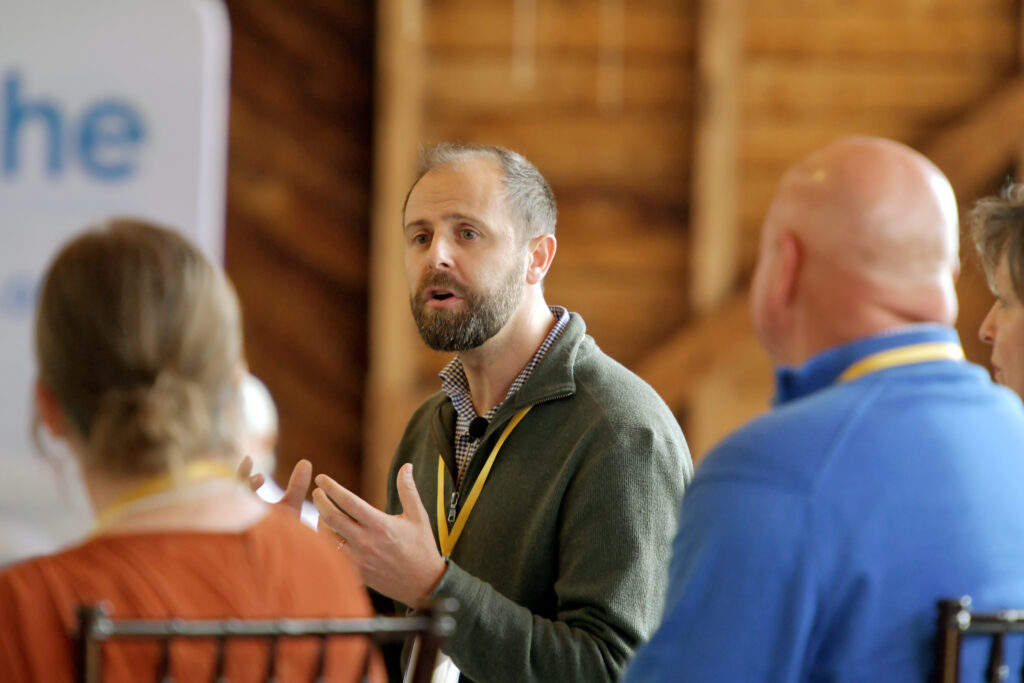
Fahe CEO Jim King opened the retreat with an unlikely topic: The Lord of the Rings and Frodo Baggins, the comfort-loving hobbit who inherits a ring and a mission far bigger than he believed himself capable. Frodo succeeded, King said, not because he was powerful, but because he didn’t go it alone. Sound familiar?
In 2025, Fahe launched Housing Can’t Wait, an award-winning campaign to build and rehabilitate 30,000 to 60,000 homes, deploy $3 billion, and reach 1 million people across Appalachia and rural America by 2030. The Spring Retreat marked the end of year one — with $382 million deployed, more than 100,000 people served, and thousands of housing units produced.
“This tells us something important,” King said. “We can move at scale when we align.”
But reaching our goals won’t happen by working harder. King challenged the room to think about adaptive change. “We don’t have to be bigger or stronger. We just have to be willing.” He closed with four questions to carry through the retreat: What do I currently believe about scaling my impact? What would be more empowering to believe? What do I need to let go of to make space for what comes next? How are we stronger together?
What follows are session highlights that spotlight people who, like Frodo and his friends, know their mission and show up for it in extraordinary ways. (See more photos in our Facebook album.)
Session Highlights
Session: Achieve Our Mission
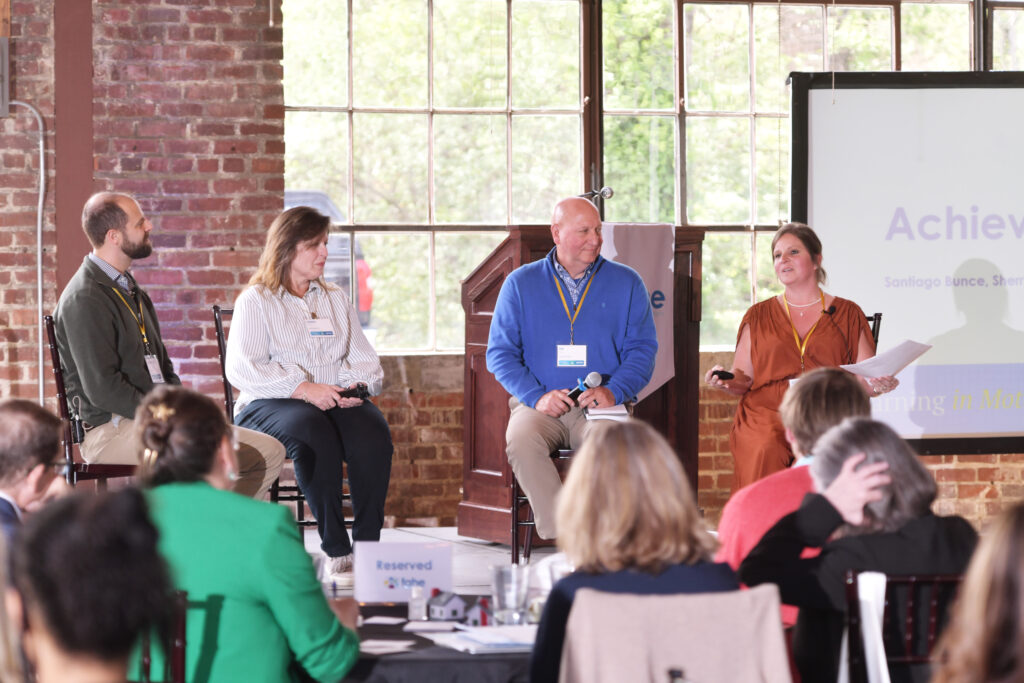
Panel: Santiago Bunce, Viabosque Group (moderator), Sherry Trent, Executive Director, Eastern Eight Community Development Corp, Kip Parks, Director of Lending Services, Eastern Eight Community Development Corp, and Bethany Taylor-Gilbert, Vice President of Loan Servicing, Fahe.
Achieve Our Mission (AOM) is Fahe’s leadership development initiative. The first cohort —28 leaders from 26 Member organizations, along with eight Fahe staff — took on a Performance Challenge, focusing on a high-stakes issue inside their organizations that demands sustained leadership and innovation. Fahe’s Spring Retreat was one of three in-person gatherings built into the 14-month program.
Bunce led a discussion of what panelists have accomplished and learned.
What we heard:
“What happens is while working on the performance challenge — which is key to the organization’s growth — people tend to change too.” — Santiago Bunce
- Eastern Eight CDC is converting select rental units into affordable homeownership opportunities for current residents, helping to build generational wealth one property at a time. Trent reported that four out of five tenants expressed interest, and a bank came through with competitive lending capital. The unexpected challenge was that renters’ credit and debt ratios were worse than anticipated, deepening the need for financial counseling. The lesson she learned was to ask better questions rather than assume needs.
- Eastern Eight HomeWorks launched a consumer lending and financial coaching program after seeing too many people disqualified from homeownership due to credit issues. Parks said the program recently made its first loan and helped a client out of the predatory lending cycle.
- Fahe is focused on scaling loan servicing capacity — more loans serviced means lower costs and more benefits passed back through the network. Taylor-Gilbert’s leadership lesson was that moving fast is not the same as going far and that bringing people along matters more than getting there first.
Why it matters:
By strengthening adaptive leadership across the network, Fahe helps community-based nonprofits sustain and scale solutions that create economic opportunity.
Session: New Member Services, Benefits & Products
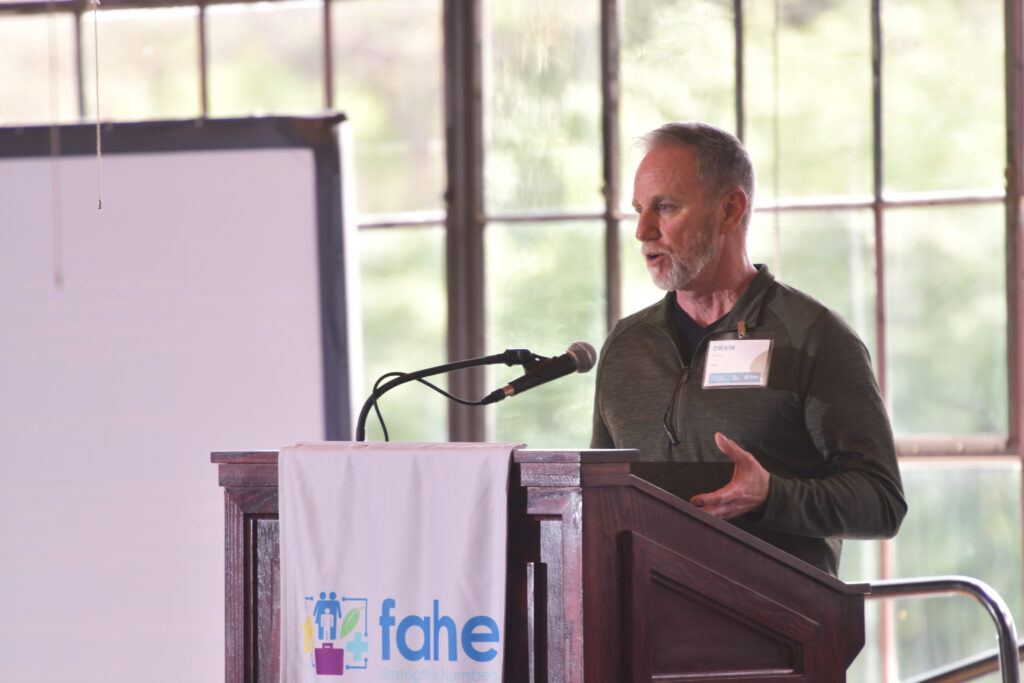
Fahe presenters: Sara Morgan, President, Maggie Riden, Chief External Affairs Officer, Bethany Taylor-Gilbert, Vice President of Loan Servicing, Traviss Witt, Advancement Director, Dwain Neeley, Fahe’s Vice President of Community Lending, and Jim King, CEO
Over 18 months of listening — through surveys, working groups, communities of practice, and AOM — Fahe distilled feedback on more than 100 potential Member services. During this session, we shared some key takeaways and ongoing work.
What we heard:
“We cannot scale outcomes without tools that match the size of our ambitions.” — Sara Morgan, President
- Capital. Riden kicked off by looking at urgent Member priorities. Capital remains critical. Morgan discussed the Housing Can’t Wait Rental Development Fund — currently in development — which will be flexible acquisition financing for deals under 80% AMI. Neeley updated everyone on the MacKenzie Scott Revolving Loan Fund, which offers Members up to $150,000 loans to build or rehab single-family homes for sale, complete the project, repay, and draw again. Taylor-Gilbert reported on Fahe’s JustChoice Lending, Loan Servicing offerings, and more capital products to come.
- Operational support. Rising insurance premiums are a growing pressure for Members. King provided details on a multi-family insurance pool that is in active development. He turned the floor over to Witt, who noted that Fahe is exploring several new operational supports, such as virtual skilled-trades training for the network.
- Fahe’s services. Additionally, we heard that Members aren’t aware of or taking advantage of everything Fahe offers. One example is Fahe’s Member Portal and its new Member Services and Coverage Map, a robust tool for tracking Member activity across the region. Amplification and awareness-building remain a core priority for Fahe’s team.
Why it matters:
Fahe advances our mission by removing barriers for our Members, offering resources, opportunities, and tools to help them expand economic opportunity across Appalachia.

Session: Research & Data Needs for Scaling Impact
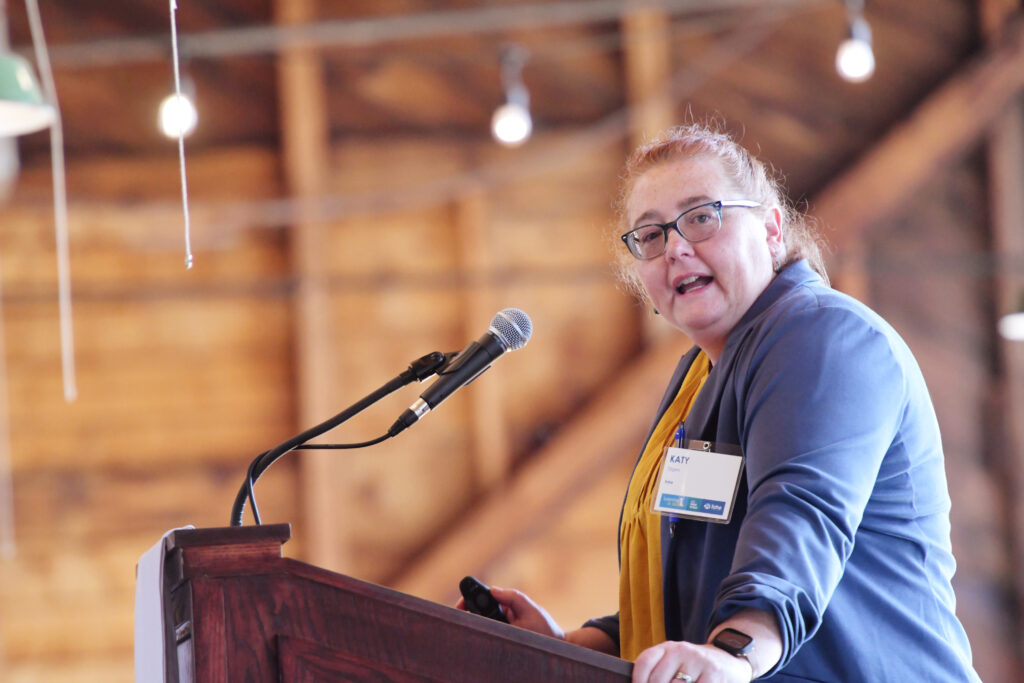
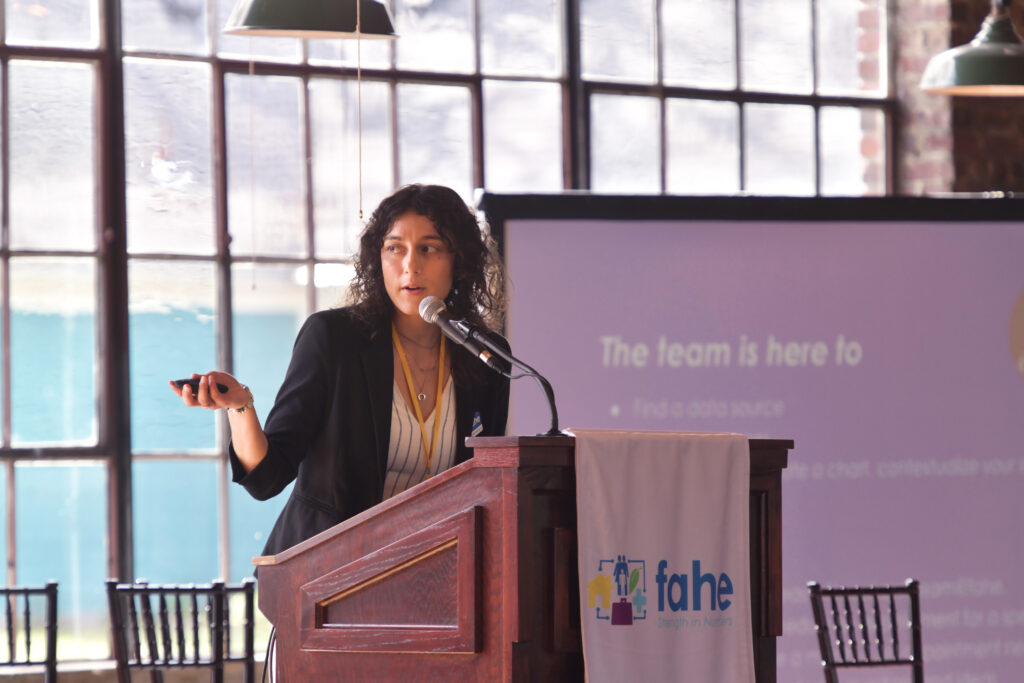
Presenters: Katy Stigers, VP of Research, Fahe, and Camila Moreno, Senior Research Associate, Fahe
Members and Fahe staff worked together to identify collective research priorities and data gaps that limit Members’ ability to scale impact. They mapped research resources already in play and prioritized research and data initiatives with potential ownership and timeline.
What we heard:
“We are here to help you find a data source, curate resources, interpret data, create a chart, and contextualize your story.” — Camila Moreno
- Fahe’s Member data is observed rather than estimated. Stigers opened with an overview of Fahe’s data landscape, which includes real people and tangible, measurable outcomes. She said this type of evidence is critical to informing funders and policymakers about the impact of their investments and policies on the people who live in the communities we serve.
- Members have clear needs. We’ve heard that Members want insight into market trends — income projections, demographic shifts, and what’s coming — and more opportunities to learn from peers about what’s working, from building technology to successful program models
- Fahe’s research team draws on a robust set of existing resources. Moreno walked through Fahe’s research tools, including the Virginia Center for Housing Research Housing Needs Assessment, Data Explorer, economic impact reports, and Member production dashboard.
Why it matters:
Fahe’s research is grounded in observed data, equipping Members to show impact, influence decision‑makers, and design place-based solutions.
Session: Member Meeting
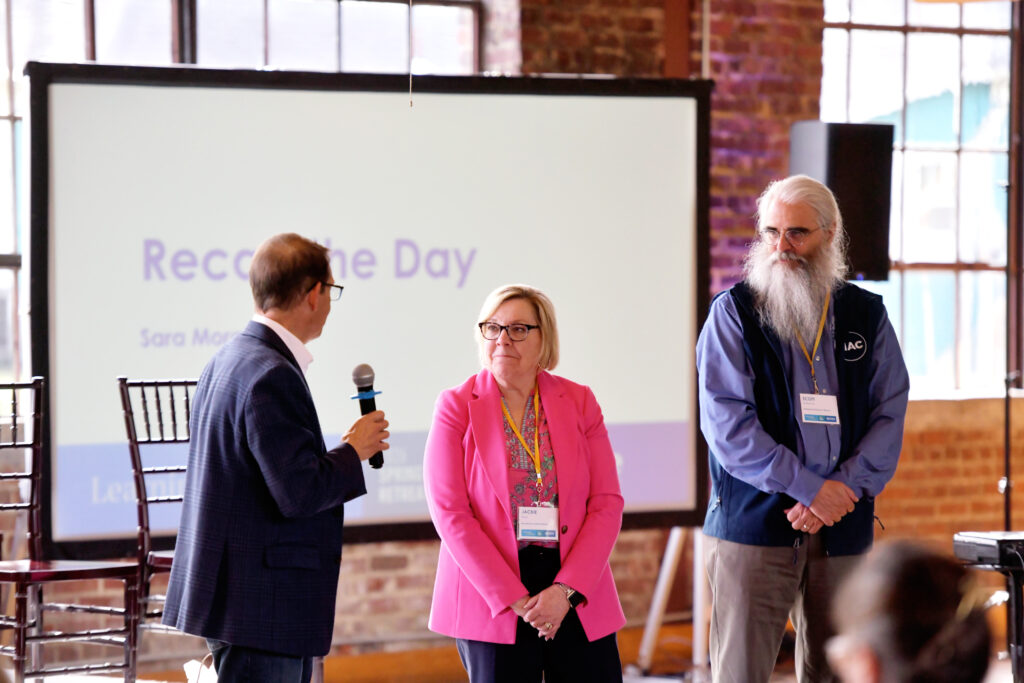
Presenters: Jackie Mayo (facilitator), Fahe Board Chair and President and CEO, HomeSource east tennessee, Lina Page, Chief Communications Officer, and Membership staff
The Member Meeting brought the full network together for network business, a Housing Can’t Wait update, and a vote on the incoming slate of Fahe Board members, who will take office in July.
- We honored two board members for their years of leadership: Jackie Mayo of HomeSource east tennessee and Scott McReynolds of Housing Development Alliance.
- The Membership elected Tim Thrasher (incumbent), CAPNA, Angie Allen, Highlands Housing, Maria Catron, Oak Ridge Housing Authority, Bryan Phipps (incumbent), People, Inc., Dave Clark (incumbent), Woodlands Development & Lending, and Dr. Christie Cade (at-large seat), Southeast Market for Enterprise Community Partners. The new board will take effect as of July 1, 2026.
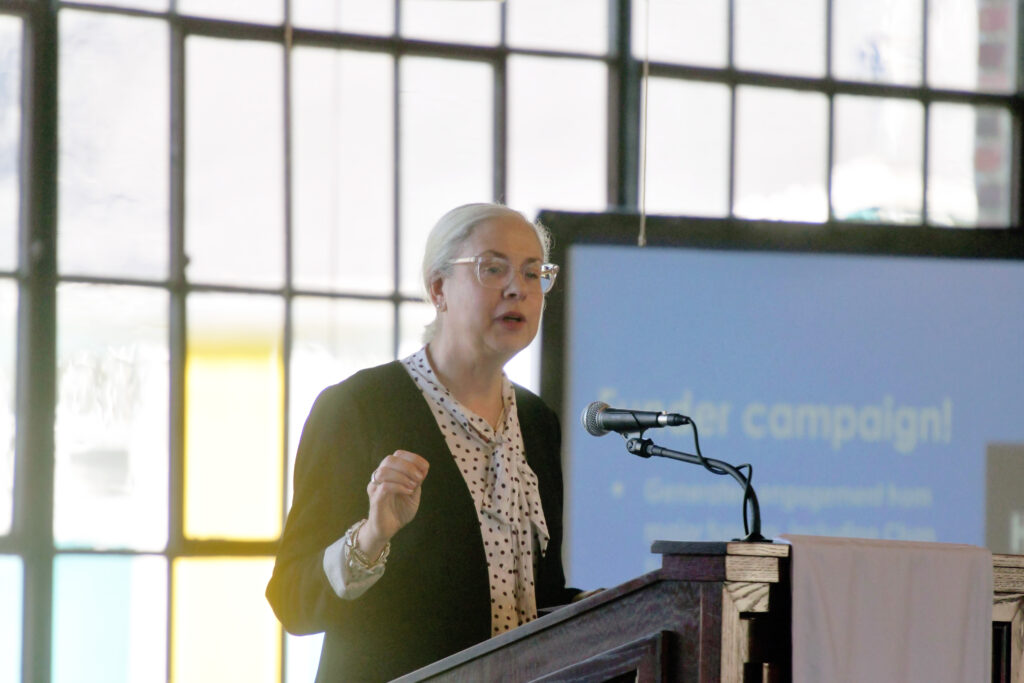
- Page provided a look at where the Housing Can’t Wait campaign stands one year in and at what’s to come in year two. Through the launch of HousingCantWait.org, targeted outreach, and early advertising and policy efforts, the campaign is gaining traction and expanding across five states. She spoke of the extraordinary power Members have to make the Fahe network more visible and better positioned for the funding and policy support that housing across Appalachia needs, and urged Members to continue sharing their stories.
Why it matters:
The Membership Meeting ensures Fahe listens to and remains accountable to our Members through transparent governance and collective decision-making.
Session: Fahe’s Federal Policy Impacts
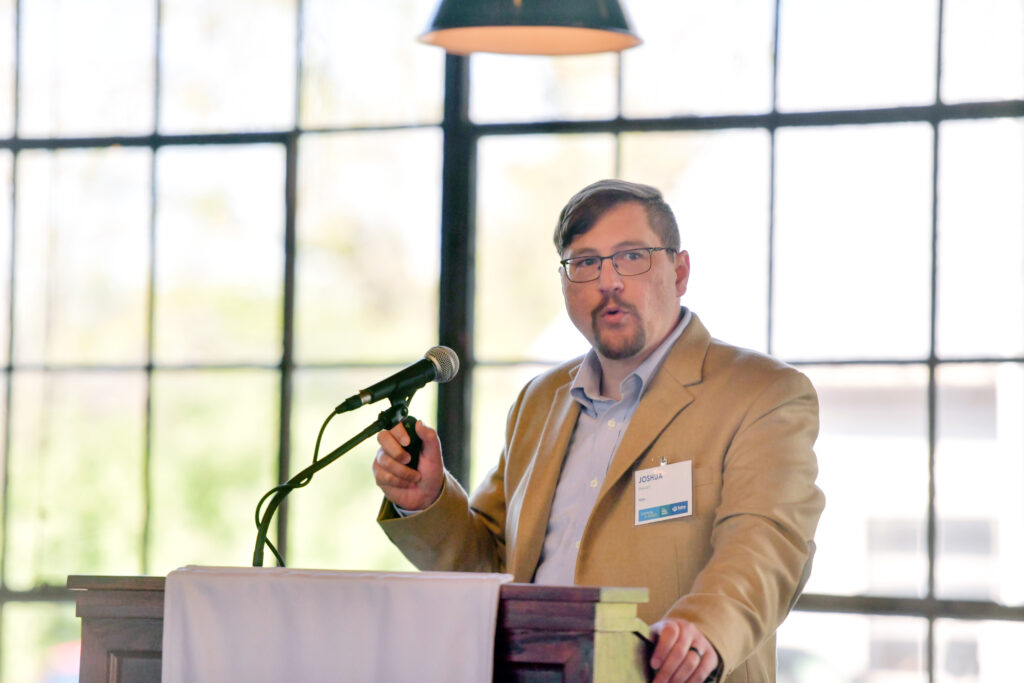
Fahe presenters: Josh Stewart, Senior Director of Federal Policy & Advocacy, and Kylie Milliken, Federal Advocacy Coordinator
Stewart gave Members a read on the Washington climate and what to anticipate over the next six months. His headline: The work Fahe Members do on the ground makes our federal advocacy credible.
What we heard:
- The 21st Century ROAD to Housing Act — the first major housing bill before Congress in 10 years — was written with Fahe Members’ input.
- Requirements under the Build America, Buy America Act, part of the 2021 Infrastructure Investment and Jobs Act, are challenging for nonprofit housing developers, and case studies highlighting these issues are vital advocacy tools.
- On appropriations, Fahe is coordinating requests across 26 federal programs and is grateful to Members who participate in advocacy — it’s always more powerful when we work together.
Milliken joined Stewart to encourage Members to stay in contact with her on how local, state, and federal policies impact work on the ground and to receive regular policy updates from Fahe.
Why it matters:
Fahe, with our Members, amplifies the lived experiences of rural communities to shape public policies that support them and direct public investment toward persistent-poverty regions.
On the Ground Perspective
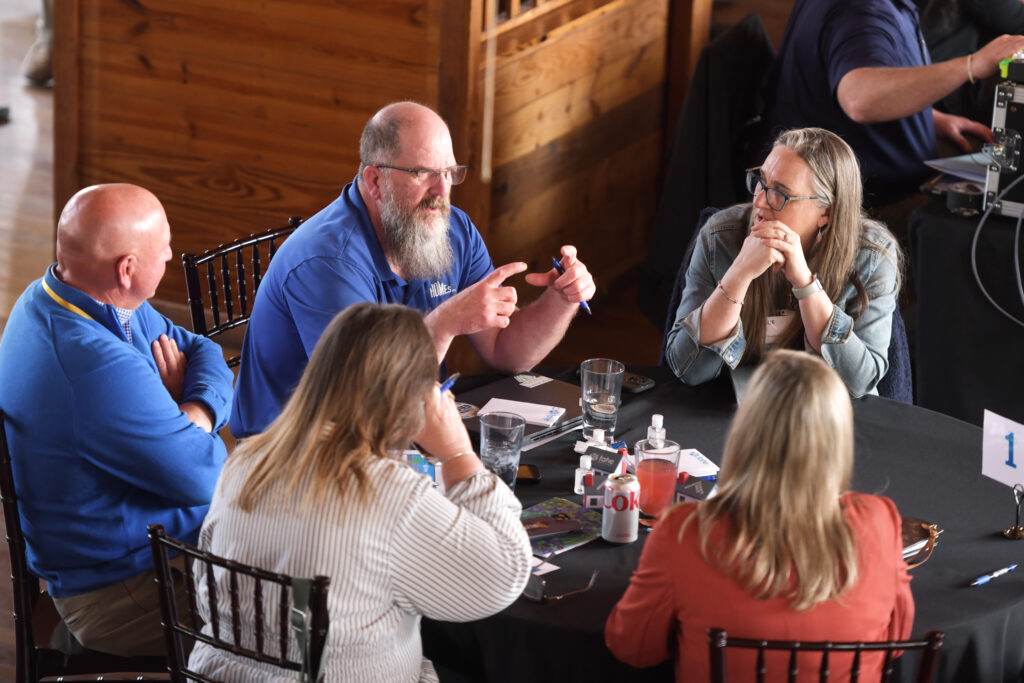
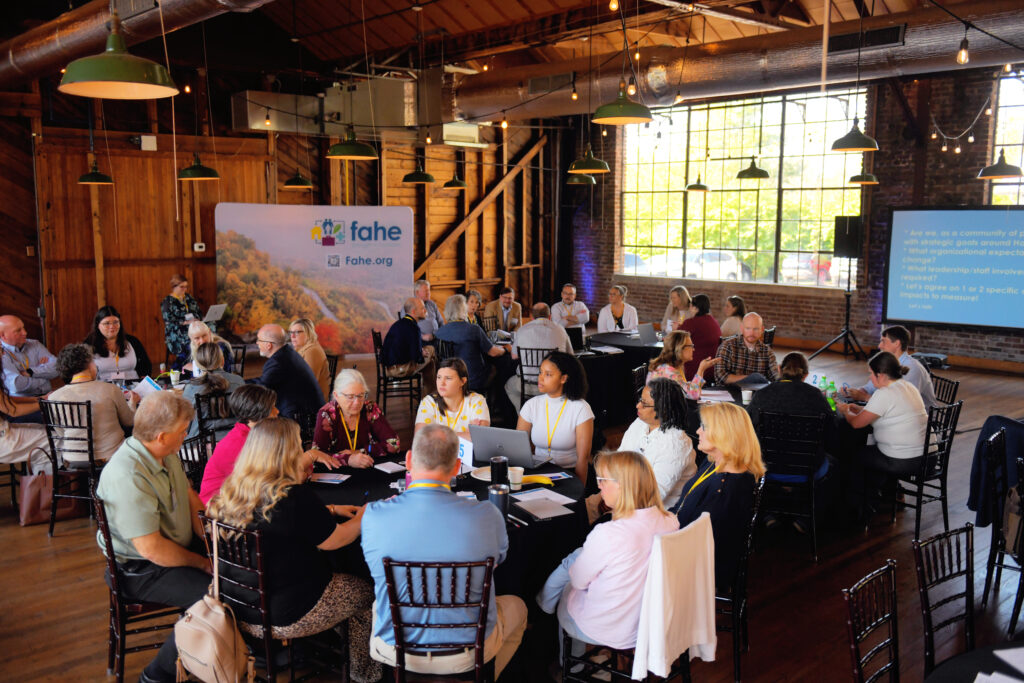
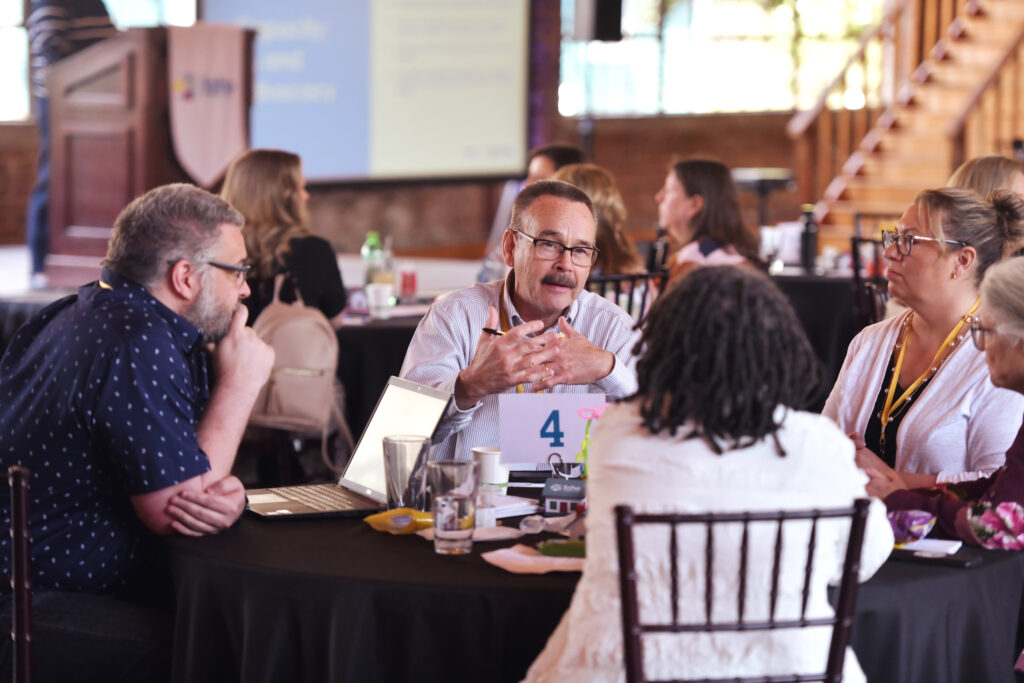
Beyond these sessions, attendees rotated through structured knowledge-exchange roundtables, sharing barriers, wins, and strategies. Communities of Practice broke into six peer-led groups by focus area, working to align with Housing Can’t Wait goals and determine what each group will actually measure together.
In a final strategy session, leaders explored two questions: What services and benefits are still missing in Housing Can’t Wait Phase II? And how should convenings and collaborative time be structured to better support measurable outcomes?
For full session notes and presentation slides, head to the YappApp.
Closing: Forward Action
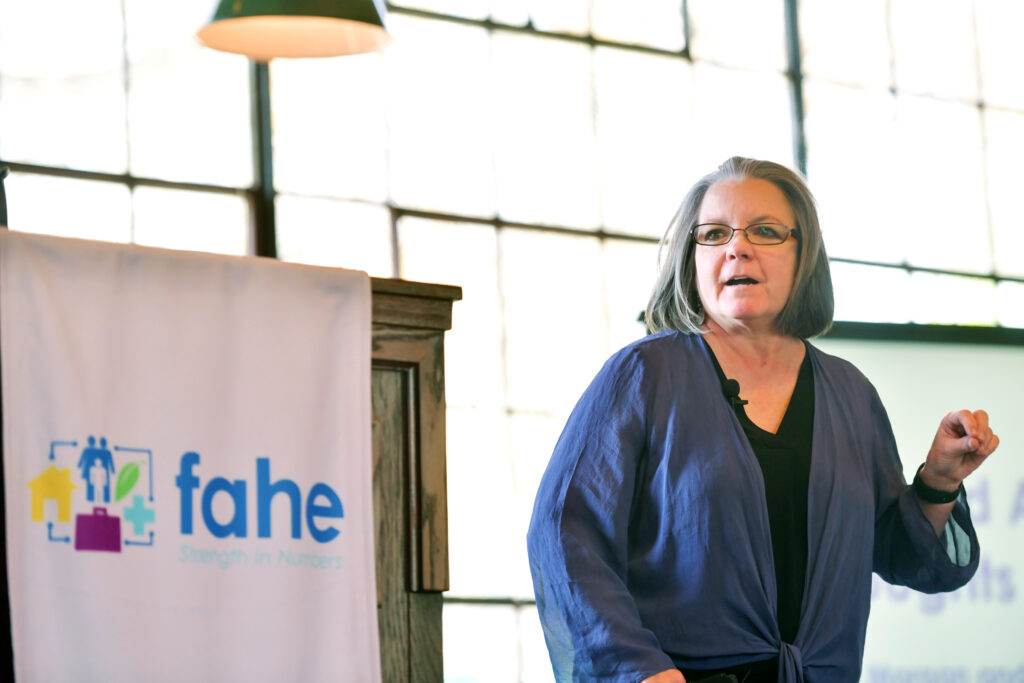
Morgan closed by connecting both days to Fahe’s four-corner strategic framework — Money, Capacity, Narrative, People — showing how everything presented threads through all four.
King brought it back to Frodo with a reminder that even in the darkest moments, there is good in the world worth fighting for. And we can do it together.
“This network — this group of people in this room — is our strength,” said King. “Not just individually, but collectively. What we can do together is fundamentally different than what any one of us can do alone. Every major step Fahe has ever taken happened because Members chose to stand together. That is our superpower.”

Dive deeper into Spring Retreat sessions, resources, and photos at my.yapp.us/FAHESR
Thank you to our Sponsors — we couldn’t have done it without you.