
main_nav doesn't exist! Create it and it'll render here.
main_nav doesn't exist! Create it and it'll render here.
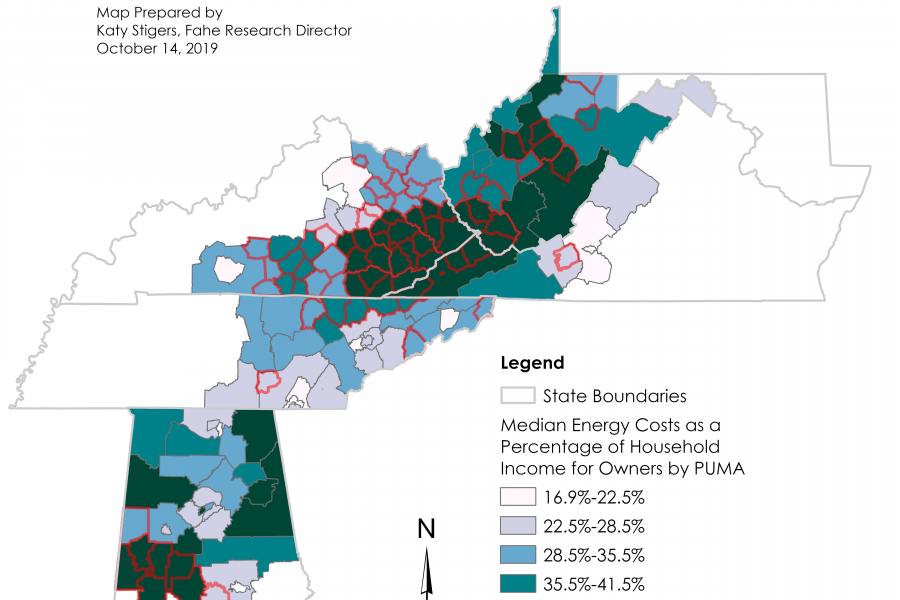
Substandard housing is one of the numerous challenges that face persistent poverty areas, such as Appalachia. In order to address such needs with proper resources, it’s important to have a better
Learn More
Today at the Opportunity Finance Network Conference in DC President Bill Clinton presented a key note speech about the impact and importance of CDFIs in uplifting our country. President Clinton was
Learn More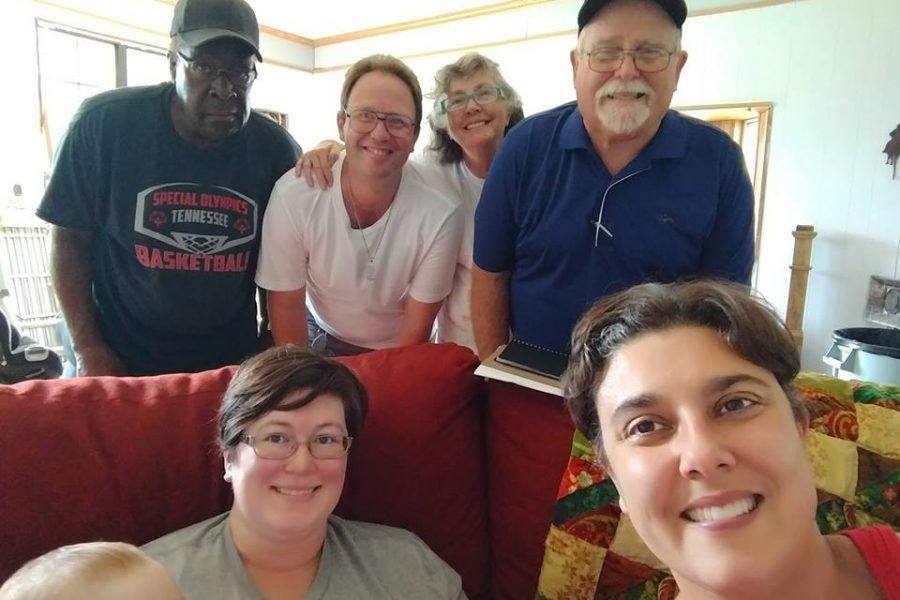
One of the issues local leaders in Appalachia face on a regular basis is lack of access to capital and expertise due to a chronic underinvestment of the region. These leaders have the skill and
Learn More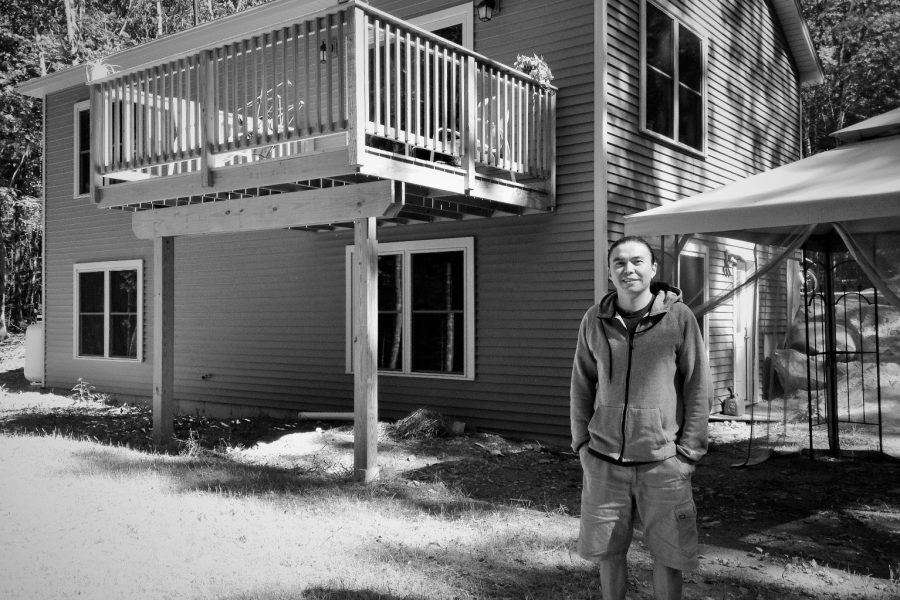
When organizations achieve greater capacity, they can achieve greater impact in the communities they serve. As a backbone organization, Fahe provides expertise and services which allow our
Learn More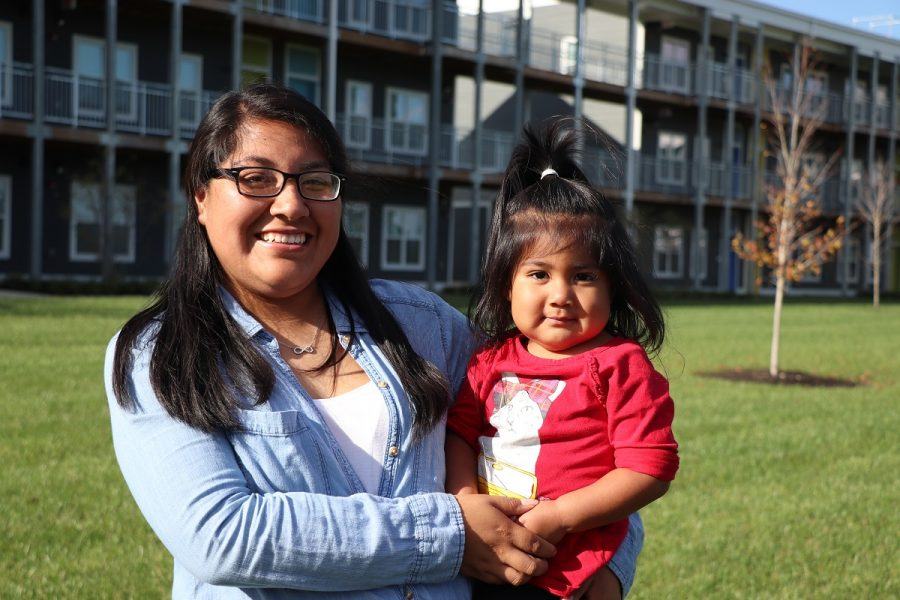
Ensuring access to higher education in Appalachia is crucial. In 2017, as a part of our commitment to education in Appalachia, Fahe collaborated with Member Kentucky River Foothills Development
Learn More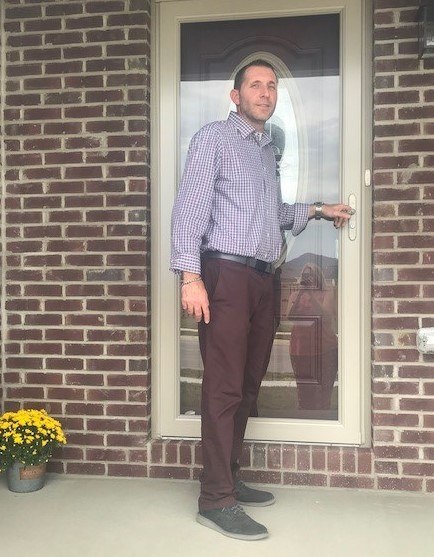
For many, Brian Reppert is a staple in his home community of Madison County, KY. A Berea native, Brian followed in the footsteps of his parents and dedicated his life to education. For over 20
Learn More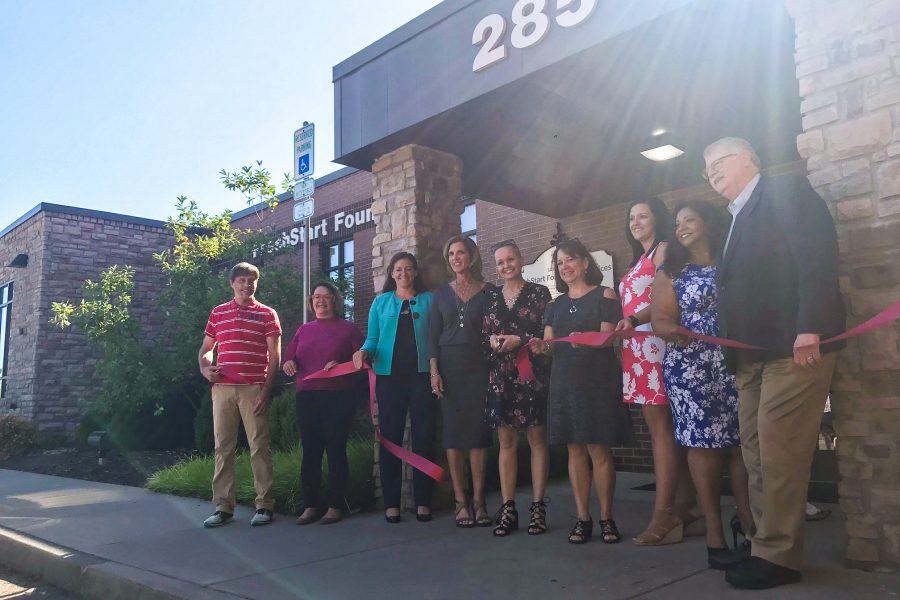
Fahe is partnering with Rural LISC and three Fahe Members to open Financial Opportunity Centers (FOC) to serve communities on the southwest Virginia and northwest Tennessee border in Appalachia. The
Learn More
Fahe’s mission to eliminate persistent poverty in Appalachia includes addressing the drug crisis through increased access to recovery services. Led by Fahe’s Strategic Programs department,
Learn More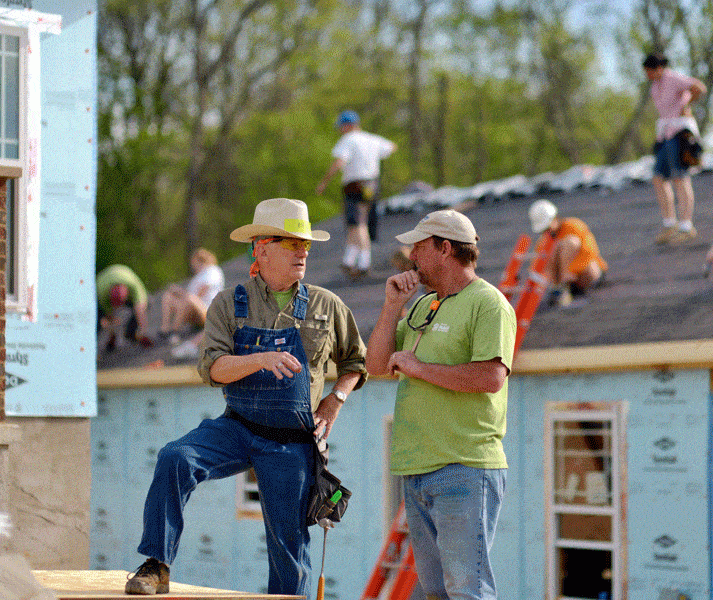
Appalachia and other persistent poverty areas face an urgent need for funding to support affordable housing. This information is nothing new for the people who live and work in these areas, but it
Learn More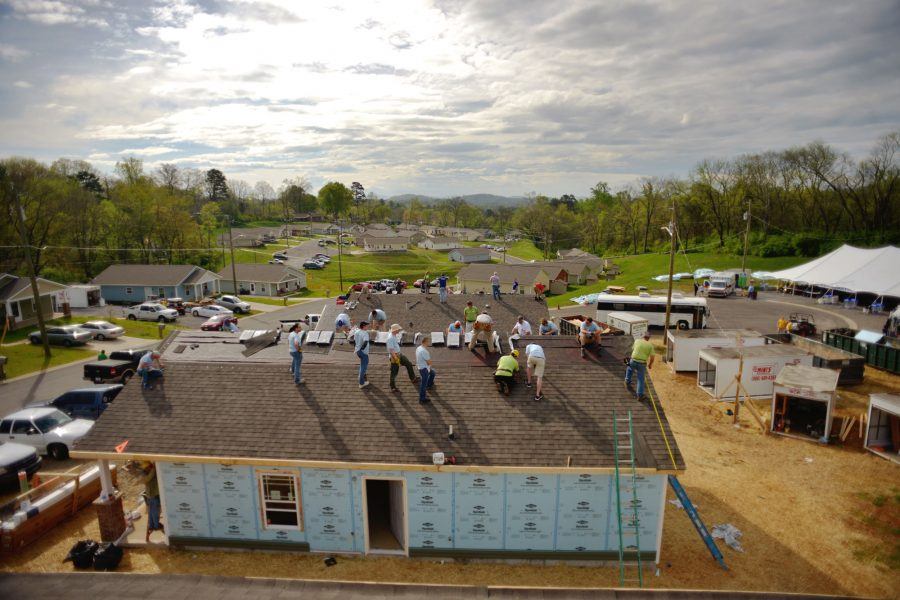
The following post was prepared by Fahe’s Research Director, Katy Stigers. She provides a brief overview of the recently conducted study performed by the Virginia Center for Housing Research
Learn MoreEnter your e-mail to receive news and stories of our local, regional, and national impact.